
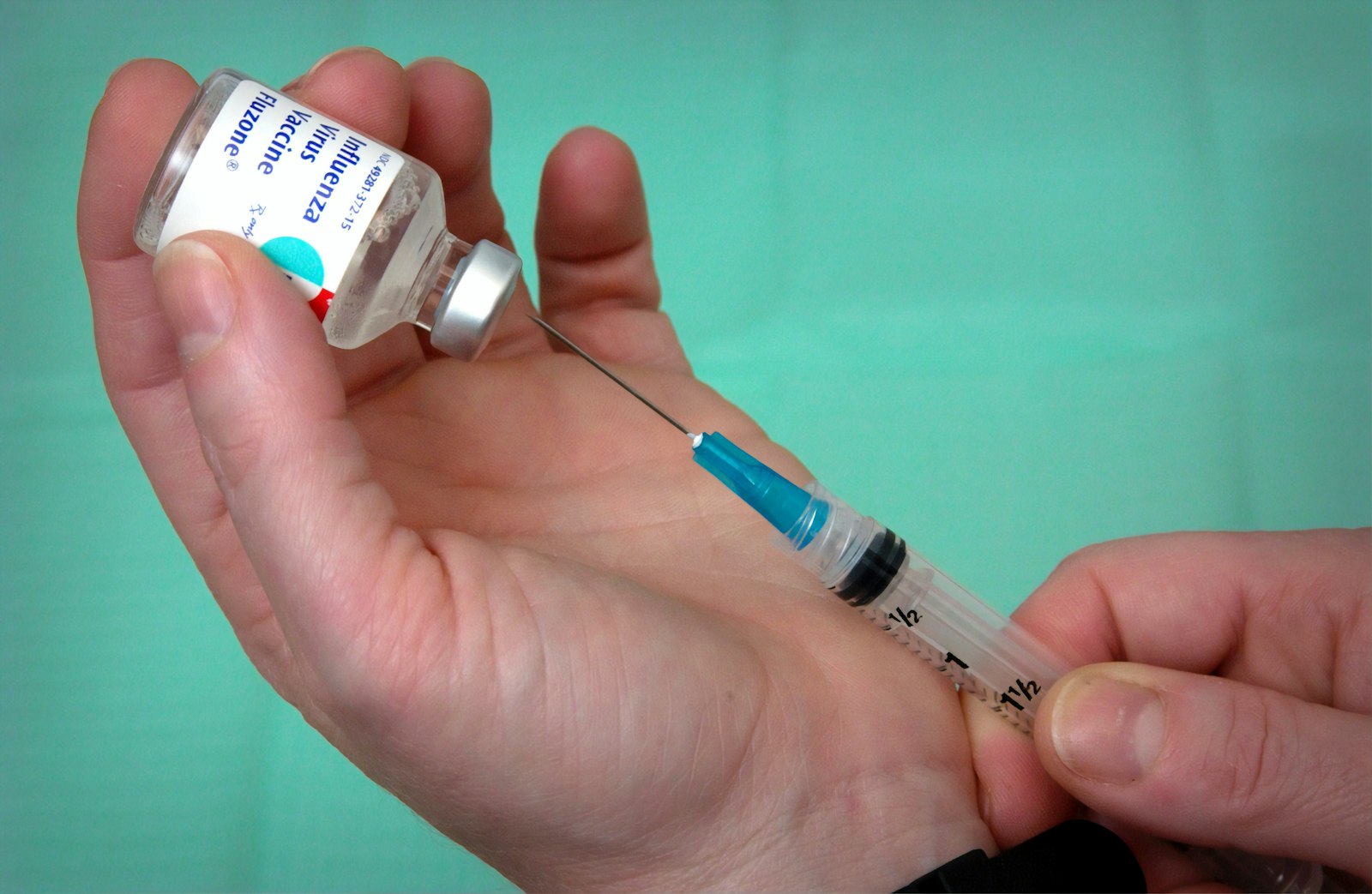


Here is a sentence public health experts rarely get to say out loud: measles deaths have never been lower. According to a new report from the World Health Organization, published on 27 November 2026, about 72,000 people died of measles worldwide in 2025. In 2000 the figure was around 770,000. That is a 91 percent drop, the kind of number that would make any brand manager order champagne.
And yet the same report reads less like a victory lap and more like the moment in a horror film when the music goes quiet. The disease is not gone. In some of the richest countries on earth it is coming back.
A quarter century of progress, measured in lives
The WHO estimates that measles vaccination has saved more than 60 million lives since 2000. Case numbers have fallen too, from roughly 38 million in 2000 to nearly 10 million in 2025, according to the report as summarized by Health Policy Watch. Most of those saved lives belong to children who grew up without ever knowing how close the danger was. That is the strange thing about successful prevention: when it works, nothing happens, which is very hard to celebrate.
WHO Director-General Tedros Adhanom Ghebreyesus put it plainly: “Measles deaths have never been lower, thanks to the extraordinary life-saving power of vaccines.” In the same breath he added a warning that measles “does not forgive complacency.”
The fine print behind the headline
The catch lies in the coverage figures. Protection against measles depends on two doses of vaccine. Worldwide, 84 percent of children received the first dose in 2025 and 77 percent received the second, numbers that barely moved compared with 2024. More than 29 million children were unvaccinated or under-immunized.
The gap between rich and poor countries remains wide. In low-income countries, first-dose coverage was 69 percent and second-dose coverage 57 percent. In high-income countries the figures were 93 and 91 percent. The South-East Asia region recorded the highest first-dose coverage of any region at 96 percent, yet it still accounted for nearly half of all cases, which shows how large populations and remaining pockets of unvaccinated children can keep the virus circulating.
In 2025, 59 countries had large or disruptive outbreaks: 18 low-income, 34 middle-income plus seven high-income countries. Eleven of those outbreaks happened in countries that had previously been declared measles-free.
When elimination stops being permanent
“Eliminated” sounds final. In public health it is not. A country keeps that status only as long as it can show that measles is no longer spreading continuously within its borders. This month the United States, Mexico and Bolivia lost their elimination status, according to the WHO announcement reported by UN News. Canada had already lost its status in October 2025. As Fashiony reported earlier in November, the US loss ended a status the country had held for more than two decades.
The Americas were once the global success story, the only WHO region ever verified as having eliminated measles. Today, case numbers there are about eight times higher than in 2000, with around 73,000 infections in 2025. Globally, 92 countries are now verified as having eliminated the disease, down from 95 at the end of 2025.
Kate O’Brien, who directs immunization at the WHO, called the situation “the alarm bell for everyone around the world” and warned that immunity gaps “grow cumulatively larger every year.” That is the arithmetic of measles. Every year that a cohort of children misses a dose, the pool of people the virus can reach grows a little bigger. One imported case is enough to light the fuse.
Why measles is the canary of public health
Measles is one of the most contagious diseases known, which is precisely why health agencies watch it so closely. When measles returns, it usually means routine childhood vaccination has weakened. Other preventable diseases may follow through the same gap. Diana Chang Blanc, who leads the WHO’s Essential Programme on Immunization, said that mounting a robust response “is costly to countries.”
For readers who grew up after measles became rare, the disease can feel like something from a period drama. It is worth remembering that it was not long ago. The author Roald Dahl lost his seven-year-old daughter Olivia to measles encephalitis in 1962. Decades later he wrote a public letter urging parents to vaccinate their children. That letter still circulates today, which says something about how little the basic message has changed.
What this means for you
If you are an adult, the practical question is simple: do you know whether you have had two doses of a measles-containing vaccine? Many people do not, especially if they moved countries or lost their childhood records. Your doctor or local health service can tell you what is recommended for your situation, including before travel to areas with outbreaks.
The report’s real message is about direction rather than numbers. The world has done something extraordinary over 25 years. The progress is real. But measles rewards consistency, not headlines. As Tedros put it, “Elimination is not a finish line.” The next few years will show whether 2025 is remembered as the year measles hit its historic low or as the year the comeback quietly began.
This article is for general information only and does not replace medical advice. If you have questions about your vaccination status or your children’s, please talk to a doctor or your local health service.
Key facts at a glance
- What: The WHO reported on 27 November 2026 that about 72,000 people died of measles worldwide in 2025, the lowest number on record and 91 percent fewer than in 2000.
- Coverage: In 2025, 84 percent of children worldwide received the first measles vaccine dose and 77 percent received the second dose.
- Gaps: More than 29 million children were unvaccinated or under-immunized in 2025. In the same year 59 countries had large or disruptive outbreaks.
- Status: The United States, Mexico and Bolivia lost their measles elimination status in November 2026. Currently 92 countries are verified as having eliminated measles.
- Note: for general information only, not medical advice.
FAQ
How many people died of measles in 2025?
About 72,000 people died of measles in 2025, according to the WHO. That is the lowest figure on record and 91 percent lower than in 2000.
Why did the US lose its measles elimination status?
The United States lost its status in November 2026 after sustained outbreaks spread in unvaccinated communities. Mexico and Bolivia lost their status at the same time.
What is the global measles vaccination rate?
In 2025, 84 percent of children worldwide received the first dose of measles vaccine and 77 percent received the second dose, according to the WHO.
Sources
- Historic low in measles deaths, but immunization gaps threaten progress (World Health Organization)
- Progress toward measles elimination worldwide, 2000 to 2025 (WHO Weekly Epidemiological Record)
- Measles deaths hit historic low, but US, Mexico and Bolivia lose elimination status (UN News)
- Global measles vaccine coverage remains fragile, even as global deaths hit historic low (Health Policy Watch)
This article was created with AI assistance and is based on the sources listed.