
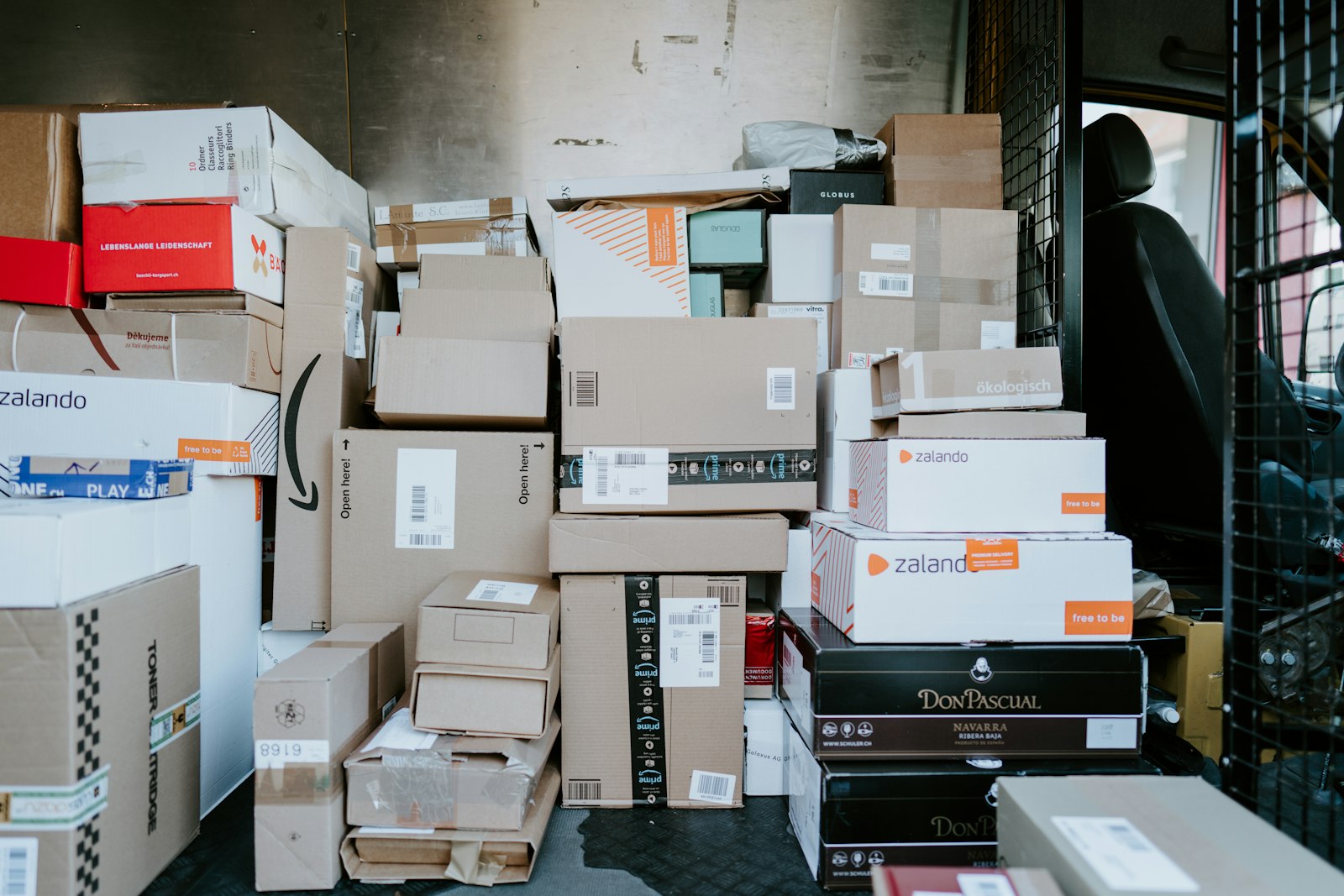


For years the business model looked unbeatable: a top for the price of a sandwich, shipped from the other side of the world straight to your door with no customs bill attached. Europe has now attached the bill. In the first full quarter since the European Union introduced a customs duty on low-value parcels, Shein’s European revenue fell 27.6 percent year on year to $2.98 billion, Reuters reported on 25 November 2026.
If you have ever filmed a haul video, opened a parcel the size of a fridge or wondered how a dress could cost less than the coffee you drank while ordering it, this one concerns you.
The numbers behind the slump
Shein’s group revenue fell 6 percent to $10.27 billion in the third quarter, which ended on 30 September 2026. Europe was the weak spot. In the United States, revenue fell 9.4 percent, according to FreightWaves, which listened to the company’s earnings call. So the slowdown is not only European. Europe is simply where it shows most clearly.
Now the twist. According to Reuters, operating income rose 17 percent to $743 million. How do you earn more while selling less? You stop spending so much to sell. Shein cut its marketing spend by 41.5 percent, scaled back online advertising and raised prices to offset higher import costs. Fewer ads, higher prices and more margin per order: it is the corporate equivalent of skipping the nightclub and putting the money in a savings account.
The company summed up the mood in a statement quoted by Reuters: consumers worldwide “have become more cautious” and care more about value for money. Chief executive Sky Xu was more specific on the call. According to FreightWaves, he said European sales are unlikely to recover before the second half of 2027.
What actually changed at the border
Until this summer, parcels worth up to 150 euros that were shipped from outside the EU directly to consumers travelled without customs duty. That exemption made sense for the occasional book or birthday gift. It ended up subsidising an entire industry of tiny parcels flown in by the million.
Since 1 July 2026, an interim customs duty of 3 euros applies to goods in those parcels. According to the Council of the EU, as cited by TheIndustry.fashion, the fee is charged per tariff category in a parcel. A shipment containing one silk blouse and two wool blouses therefore falls into two categories and costs 6 euros. The interim arrangement is set to run until 1 July 2028.
Three euros sounds trivial. It is not trivial when your product costs eight. A fee that would disappear in the price of a designer coat becomes a substantial surcharge on a cheap top. That is precisely the point: the duty hits hardest where prices are lowest.
The Devil Wears Prada had a speech for this
Remember Miranda Priestly’s cerulean monologue? She explains to her assistant how a colour travelled from a designer collection through department stores until it ended up in a clearance bin. Ultra-fast fashion shortened that journey to a few weeks and moved the clearance bin into your phone. Trends went from runway to app before the runway photos had finished loading.
What the EU duty does is put a small toll booth on that road. It does not close it. Shein is adapting by moving more stock closer to its customers. FreightWaves reports that local fulfilment already handles more than 40 percent of its European deliveries, with the company aiming for about 50 percent by the end of the year. Goods shipped in bulk to European warehouses are taxed differently from individual parcels flying in one by one. In other words, the model is mutating rather than dying.
Who wins and who pays
European retailers have argued for years that the duty exemption gave overseas platforms an unfair advantage. They now get a slightly more level playing field. Customs authorities get revenue and somewhat more control over what enters the market. Anyone worried about the climate cost of air-freighting millions of tiny parcels gets a policy that at least makes each parcel a little more expensive.
And you? You pay a bit more, at least on the cheapest end of the market. That may be the most honest outcome. Prices that low were never really free of cost: someone always paid, whether through working conditions, pollution or the landfill that ends up with clothes worn twice. A 3 euro duty does not solve any of that, but it makes one hidden cost visible on your receipt.
There is a cultural shift underneath the numbers too. Shein’s own wording points to cautious consumers who want value for money. Value is not the same as cheap. For a generation that grew up with haul videos, the next status symbol may well be the opposite: owning fewer pieces that last, buying second-hand or simply ordering less often. Rebecca Bloomwood in Confessions of a Shopaholic needed a support group. A border fee may prove more persuasive.
What to watch next
Several questions remain open. Will Shein’s cost cutting keep profits rising if sales keep falling? Will rivals with similar models see the same European slump? And will the EU’s interim fee become a permanent part of a broader customs reform once the temporary arrangement expires in 2028? For now, the clearest signal is the one in Shein’s own results: the era of the frictionless, duty-free micro parcel in Europe is over. What replaces it will shape how cheap your next T-shirt can really be.
Key facts at a glance
- What: Shein’s European revenue fell 27.6 percent year on year to $2.98 billion in the third quarter of 2026, the first full quarter under the EU’s new customs duty on low-value parcels.
- Group results: Shein’s group revenue fell 6 percent to $10.27 billion in the quarter ended 30 September 2026, while operating income rose 17 percent to $743 million, according to Reuters.
- Why: Since 1 July 2026 the EU charges an interim customs duty of 3 euros per tariff category on parcels worth up to 150 euros shipped directly to consumers from outside the EU.
- Response: Shein cut marketing spend by 41.5 percent, raised prices and expanded local fulfilment, which according to FreightWaves handles more than 40 percent of its European deliveries.
- Outlook: According to FreightWaves, CEO Sky Xu said European sales are unlikely to recover before the second half of 2027.
FAQ
Why did Shein’s sales in Europe fall?
Shein’s European revenue fell 27.6 percent mainly after the EU introduced a 3 euro customs duty on low-value parcels on 1 July 2026. Shein also raised prices and cut marketing spend, which reduced sales volumes.
How much is the EU duty on small parcels from Shein or Temu?
Since 1 July 2026 the EU charges an interim duty of 3 euros per tariff category on parcels worth up to 150 euros shipped from outside the EU. The interim arrangement is due to run until 1 July 2028.
Is Shein still profitable after the EU parcel duty?
Yes, according to Reuters Shein’s operating income rose 17 percent to $743 million in the third quarter of 2026. The company achieved this mainly by cutting marketing costs while revenue fell 6 percent.
Sources
This article was created with AI assistance and is based on the sources listed.